

Toronto stands as one of the world’s top business hubs because of sustained effort, careful planning, and time invested by entrepreneurs and operators. In 2026, that same discipline now extends to how Canadian companies manage their finances. Real-time bookkeeping & dashboards are replacing monthly reports for Canadian businesses in 2026—no longer a future trend but the practical standard for companies that want clarity, control, and speed.
At Exactitude Business Services, we work with Canadian partners who have moved away from waiting thirty days for numbers. They now open a live dashboard every morning and make decisions based on today’s reality rather than last month’s closed books.
What Real-Time Bookkeeping and Dashboards Actually Mean
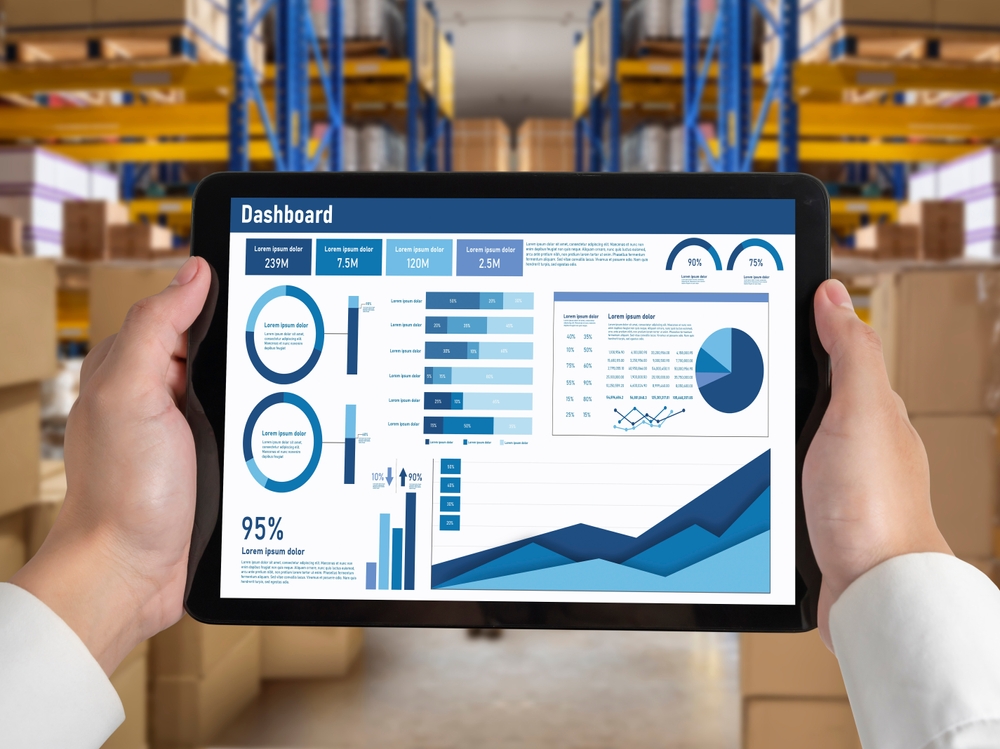
Real-time bookkeeping captures every transaction the moment it occurs. Bank feeds, payment processors, invoicing tools, and expense apps continuously push data into the ledger. Dashboards then turn that data into visual, actionable views: cash position, outstanding receivables, expense trends, GST/HST liability, payroll obligations, and key performance indicators.
Traditional monthly reports arrive after the period ends. By then the opportunity to correct a cash shortfall, adjust pricing, or catch an error has often passed. Real-time systems remove that lag.
Benefits for every size of business
- Small and micro businesses gain immediate visibility into runway and tax obligations without hiring a full-time controller.
- Growing SMEs can spot margin pressure or customer concentration early enough to act.
- Larger or multi-entity companies maintain a single source of truth across departments and locations, reducing the risk of siloed decisions.
Live data supports better cash-flow forecasting, faster month-end closes, cleaner year-end packages for accountants, and stronger audit readiness. Canadian owners also meet CRA expectations more easily because records stay current and complete. The CRA requires businesses to keep organized records of income, expenses, GST/HST, and payroll for at least six years. Continuous bookkeeping makes that requirement far less stressful.
Why Monthly Reports Are Losing Ground in 2026
Canadian markets move quickly. Currency fluctuations, supply-chain shifts, interest-rate changes, and customer payment behaviour rarely wait for the calendar. A dashboard that updates as transactions clear lets owners and managers respond the same day.
Many firms still produce formal monthly statements for board packs, lenders, or strategic reviews. The difference is that those statements now rest on continuously maintained books rather than a frantic catch-up process at month-end. The hybrid approach—live operational visibility plus periodic formal reporting—has become the most effective model.
How Exactitude Business Services Supports Canadian Partners
Exactitude Business Services designs and maintains real-time bookkeeping systems tailored to Canadian rules. We work with platforms commonly used by Canadian businesses, including Xero and QuickBooks Online, and configure bank feeds, tax codes, multi-currency settings, and automated rules so data flows cleanly.
- Our support includes:
- Daily or near-daily transaction coding and reconciliation
- Custom dashboards focused on the metrics that matter to each client (cash runway, HST payable, payroll liabilities, project profitability)
- GST/HST tracking and preparation of returns
- Clean, CRA-ready year-end packages
- Ongoing advice on coding decisions that affect tax and credit claims
We treat remote Canadian clients with the same care and accountability we apply to our UAE-based partners. The result is books that stay current, dashboards that stay useful, and owners who spend less time chasing numbers and more time running the business.
Common Bookkeeping Mistakes That Trigger CRA Notices (and How to Avoid Them)
The Canada Revenue Agency uses automated matching and risk-assessment systems. Certain patterns repeatedly attract attention.
- Mixing personal and business transactions: Separate bank accounts and credit cards are non-negotiable. Personal spending coded as business expenses, or business income deposited into personal accounts, creates gaps that auditors notice quickly.
- Incomplete or missing supporting documents: A bank statement shows that money moved; it does not prove the purpose of the expense. Keep digital copies of invoices, receipts, and contracts for six years.
- Inconsistent GST/HST reporting: Discrepancies between sales reported on GST/HST returns and income reported on the T2 or T1 raise red flags. Reconcile input tax credits and collected tax every filing period.
- Unreconciled accounts: Failing to match the general ledger to bank, credit-card, and payment-processor statements allows errors and omissions to compound.
- Payroll mismatches: Wage expense on the financial statements must align with T4 totals and source-deduction remittances. Differences trigger reviews.
- Claiming expenses without proper allocation: Vehicle, home-office, meal, and entertainment costs often require pro-rating. Claiming 100 percent when personal use exists invites scrutiny.
Real-time bookkeeping reduces these risks because transactions are reviewed while the details are still fresh and supporting documents are still accessible.
SR&ED Tax Credits: Bookkeeping Requirements for Canadian Innovators & R&D Companies
The Scientific Research and Experimental Development (SR&ED) program remains one of the most valuable incentives available to Canadian companies performing eligible work in Canada. Canadian-controlled private corporations can earn refundable investment tax credits at an enhanced rate on qualifying expenditures up to the expenditure limit, with a basic rate applying beyond that limit. Capital expenditures incurred after mid-December 2024 may also qualify under updated rules.
-
-
- Link specific expenditures to eligible projects
- Maintain time records or allocation methods for labour
- Separate materials consumed or transformed in the work
- Document contracts with taxable Canadian suppliers
- Reconcile claimed amounts to the financial statements and Form T661
Without contemporaneous project tracking and clean cost allocation, even legitimate claims face challenge or reduction. Real-time systems that tag R&D-related costs as they occur make the annual claim process far smoother and more defensible.
-

Payroll Bookkeeping for Canadian SMEs in 2026
Accurate payroll bookkeeping protects both employees and the business. For 2026, the key figures include:
- Year’s Maximum Pensionable Earnings (YMPE) of $74,600 for CPP
- Employee and employer CPP contribution rate of 5.95 percent (plus additional CPP2 contributions above the first ceiling)
- Maximum insurable earnings for EI of $68,900
- Employee EI premium rate of 1.63 percent (lower rate applies in Quebec)
- Employers must deduct, remit, and report correctly, issue T4 slips by the end of February, and keep payroll records for six years. Missed or late remittances attract penalties that escalate with delay.
Real-time payroll integration with the general ledger ensures wage expense, employer contributions, and source deductions stay aligned. Dashboards can surface upcoming remittance deadlines and year-to-date contribution status so nothing is missed.
Client Experience with Real-Time Visibility
One Toronto-based professional-services firm came to us after repeated cash-flow surprises. Their previous monthly reports arrived mid-month and often contained coding corrections that changed the picture. Within six weeks of moving to continuous bookkeeping and a live dashboard, they could see receivables aging, payroll timing, and HST liability every morning. The owner told us the change removed the low-grade anxiety that used to accompany every bank-balance check.
A growing e-commerce company in the Greater Toronto Area struggled with multi-currency sales and seasonal inventory swings. Monthly closes took three weeks and rarely matched the operational reality the team felt on the ground. After we implemented automated bank feeds, proper tax coding, and a custom dashboard focused on contribution margin and cash conversion, the finance lead reported that decisions that once required a meeting could now be made in minutes.
A small R&D-focused manufacturer in Ontario needed clean project tracking for an upcoming SR&ED claim. Their earlier books mixed production and development costs. We established clear cost centres and daily coding discipline. When the claim was prepared, the supporting schedules reconciled cleanly to the general ledger, reducing review time and strengthening the file.
These experiences share a common outcome: owners and managers regain control of the numbers instead of reacting to them weeks later.
Take the Next Step with Exactitude Business Services
Canadian businesses that treat bookkeeping as a living system rather than a month-end chore gain a measurable advantage. Exactitude Business Services is ready to help you design, implement, and maintain that system.
Whether you operate in Toronto, elsewhere in Ontario, or across Canada, we bring practical experience, Canadian-rule knowledge, and a commitment to clear, reliable financial information.
Contact us today through www.exactitudebusiness.com to schedule a conversation about your current process and the live visibility you want to achieve.
Frequently Asked Questions
What is the main difference between real-time bookkeeping and traditional monthly bookkeeping?
Real-time bookkeeping updates the ledger as transactions occur and provides continuous visibility. Traditional monthly bookkeeping batches transactions and produces reports only after the period ends.
Do I still need formal monthly financial statements if I have a dashboard?
Yes. Formal statements remain useful for lenders, investors, and year-end work. The difference is that they are now produced from continuously maintained books rather than reconstructed data.
Will real-time systems help with CRA compliance?
Yes. Current, reconciled records and complete supporting documents make it easier to meet record-keeping requirements and reduce the chance of discrepancies that attract notices.
Can Exactitude handle both bookkeeping and support for SR&ED claims?
We maintain the detailed project and cost records that strengthen SR&ED claims and prepare clean packages for your tax advisor or specialist.
Is real-time bookkeeping only for large companies?
No. Cloud platforms and automated feeds make continuous bookkeeping practical and cost-effective for sole proprietors, small teams, and growing SMEs alike.
How quickly can a Canadian business move from monthly to real-time processes?
Most clients see meaningful live visibility within four to eight weeks once bank feeds, tax codes, and coding rules are properly configured.